
Who Lights the Lamp?
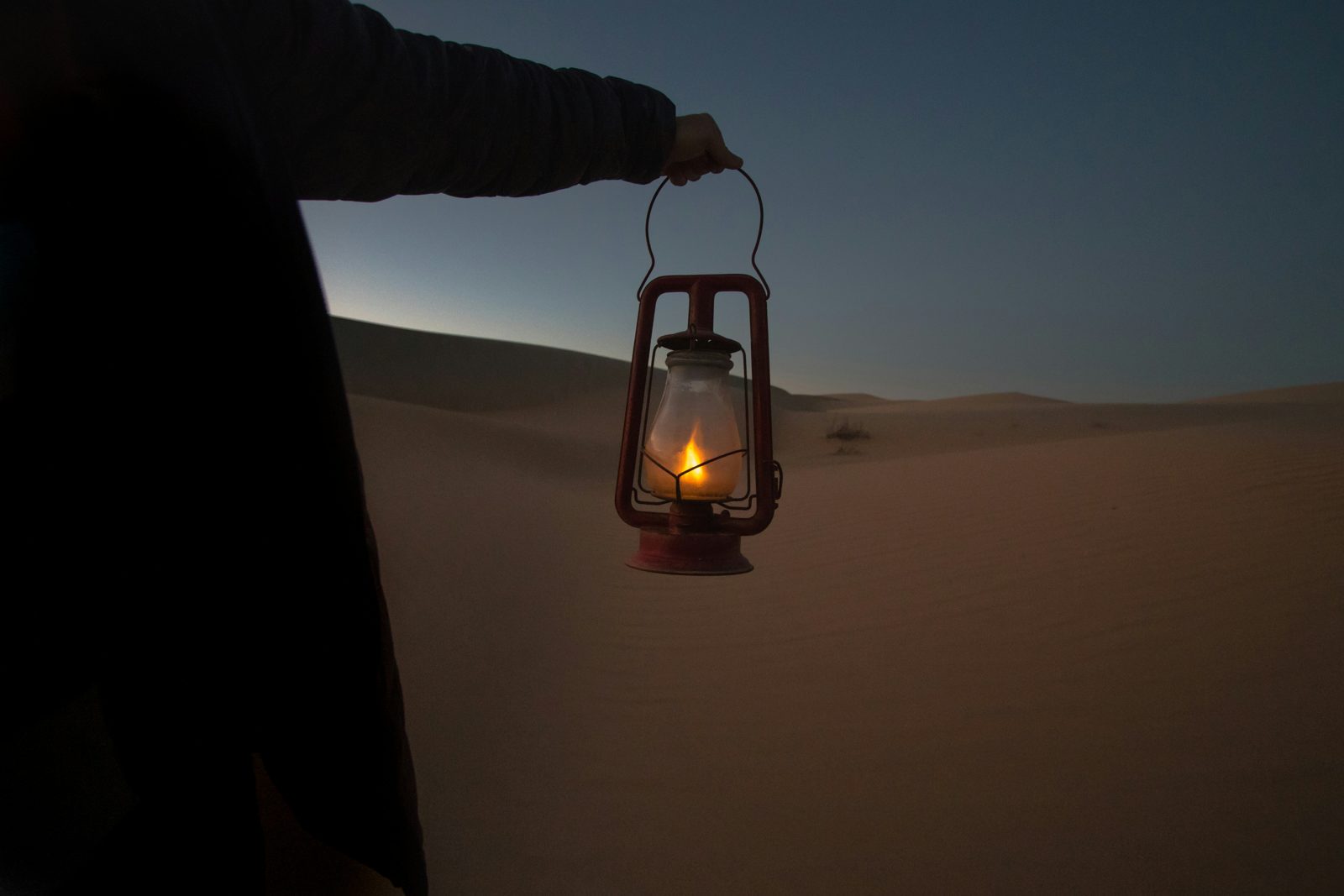
“Be a lamp, or a lifeboat, or a ladder. Help someone’s soul to heal. Walk out of your house like a shepherd.”
Rumi
My first thought when reading today’s reflection, loosely translated from Rumi, was not about helping others and sharing my light. It was about my own light being snuffed out. So how do I be a lamp, or a lifeboat, when I’m running on empty? I need support. I need compassion. Why am I always the one lifting someone else up?
I have come to learn suffering is self-imposed a lot of the time. I was in the habit of receiving others’ outbursts of negativity personally. Someone cuts me off in traffic, they’re a jerk. Which is probably not true. They are most likely anxious, living in fear, or maybe angry. I have no context as to why they behaved that way and yet I judge them as a person for a single outburst of negativity.
I remember an occasion where someone I was acquainted with felt disrespected and was quick to tell everyone in the group, in an outburst of hostility. One which almost incited physical conflict. This outburst was directed, in part, at me. After the person stormed out yelling and cursing, someone asked me “How did you stay so calm?” I was able to remain calm because I knew their outburst was a reflection of their internal suffering. It had less to do with the current situation and more to do with the pain they carried from childhood. The pain of not being heard, held, treated with compassion, or loved. They had learned they do not matter. So when they perceived they did not matter, they felt pain which resulted in an outburst.
The other reason I was able to remain calm was a result of my own practice of self-love and compassion. Understanding where my pain comes from and being able to recognize when it is incongruent with the present. This helps me share the pain with others in a more constructive way, reducing the barrier to receiving light from others.
Who in your life could you let see your suffering without performing it or demanding a response? When someone’s words hurt, what pain might be under them? Can I pause my own reaction to think about this before responding so I may share some of my light?