Meditation
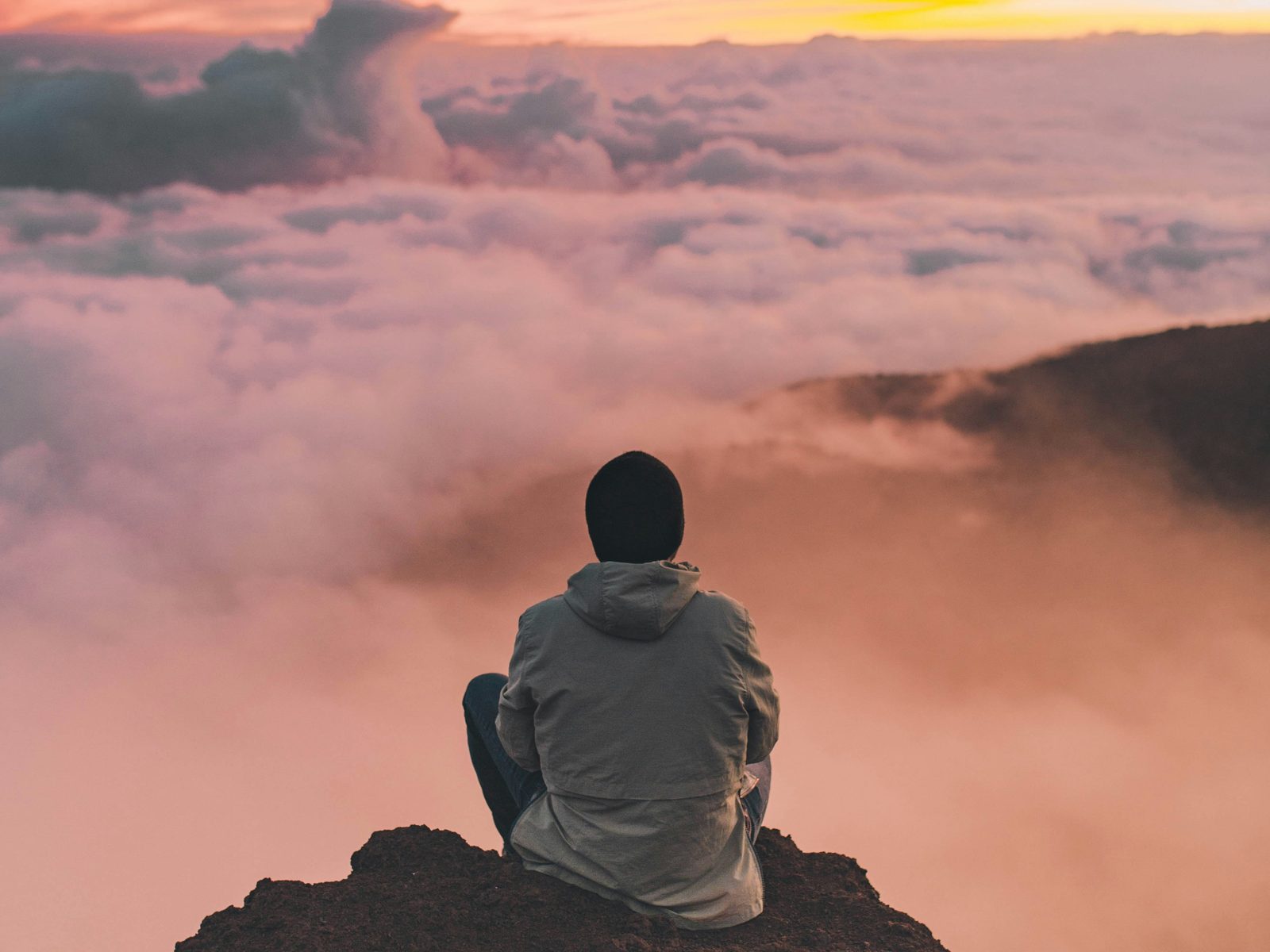
Meditation. When I think of meditation I think of sitting on my floor, back straight, legs crossed, eyes closed, breathing in and out. The mind wanders, I come back to the breath, and so on. I think of my wandering mind like a precocious 4-year-old, “Look what I can do!” I lovingly acknowledge it, “I see”, and return to my breath. Just like most of you, assuming people are actually reading this, I am a human doing. There is always something I am thinking about. What to eat for breakfast, what’s on my calendar, details about what’s on my calendar, what should I wear today, and on and on. Sometimes it can feel like one of those free run treadmills, but tilted at a slight angle forward, forcing me to increase my cadence the more I move. This movement rips me from the moment and now I’m off in the future or the past running around like a chicken with my head cut off. Breathe.
The more I practice, I meditate every morning, the more I am able to return to my breath when I feel this anxiety creep in. Noticing the thought as it arises and then letting it pass. I started using these meditation candles my wife bought me recently. They burn for ~20 minutes once lit. When I first started one candle could last almost a week, but as I continue to practice I have found it easier to last the entire candle. I walk slower, I speak slower and more clearly, and greet the day with a peaceful confidence I have not experienced in many years. It’s a fantastic practice to establish and I highly recommend it. I would also recommend trying it without aids. I recently did some research into the origins of meditation and came across a description of two types of practices which come from the Buddhist tradition.
I’ve learned that both styles usually start the same way. You sit, breathe, and when your mind wanders you bring your attention back to it. The difference between the two practices is how you focus your attention.
The goal of samatha, meaning calm-abiding, is steadiness and concentration. When your mind drifts, you return to the object. Over time the mind becomes calm and focused. This is the one I generally practice in the morning. For no particular reason, it’s just what I’ve been doing.
In vipassana your attention is more open, less focused. You notice whatever arises, such as a sensation, an emotion, or a thought, and watch how it appears and passes. The aim is to notice how experiences change constantly, clinging to them causes suffering. I practice this in therapy as it pertains to the body, but did not know the roots of it until now. We start a session with me sitting and “walking” my mind through my body, noticing how I feel. What sensations arise? Is my chest tight, is my body sore, is my breath deep or shallow? This practice reminds me everything passes. Feelings, thoughts, sensations, and even the sense of “me” change from moment to moment.
The Buddhist might say clinging to changing experiences leads to disappointment. Sometimes you feel good and sometimes you do not, this is the way of feelings. The teachings don’t say everything is painful. They say holding on to what can’t last produces suffering. So the difference between them is in samatha, a wandering mind is a distraction to notice and return from, whereas in vipassana, the thought or feeling becomes the object. You don’t move away from it, and you don’t reflect on what it means. You stay with it and notice its qualities as they happen. This is providing attention without commentary.
In other words, reflecting asks “why am I feeling this?” While knowing asks “what is this, right now?” Reflection can still be useful, but insight practice sets it aside so the seeing stays direct. So the teachings are there to remind me the self I think I am is a pattern in the flow of experience, rather than a solid thing.
I’d love to hear about your practice or lack of practice. Feel free to drop me an email.